
Shopping for a robotic lawn mower can quickly feel like wading through an alphabet soup of technical acronyms. When manufacturers bombard you with terms like V-SLAM, RTK, and Neural Networks, it is easy to lose sight of what actually matters: how these features translate into a healthier garden and less work for you.
Understanding this technology isn’t just about knowing how the machinery functions; it is about recognizing how automated navigation solves the age-old frustrations of lawn maintenance. When broken down into practical terms, these high-tech systems are simply modern tools designed to eliminate the physical strain, time constraints, and unpredictability of traditional garden care.
The Technology Decoded
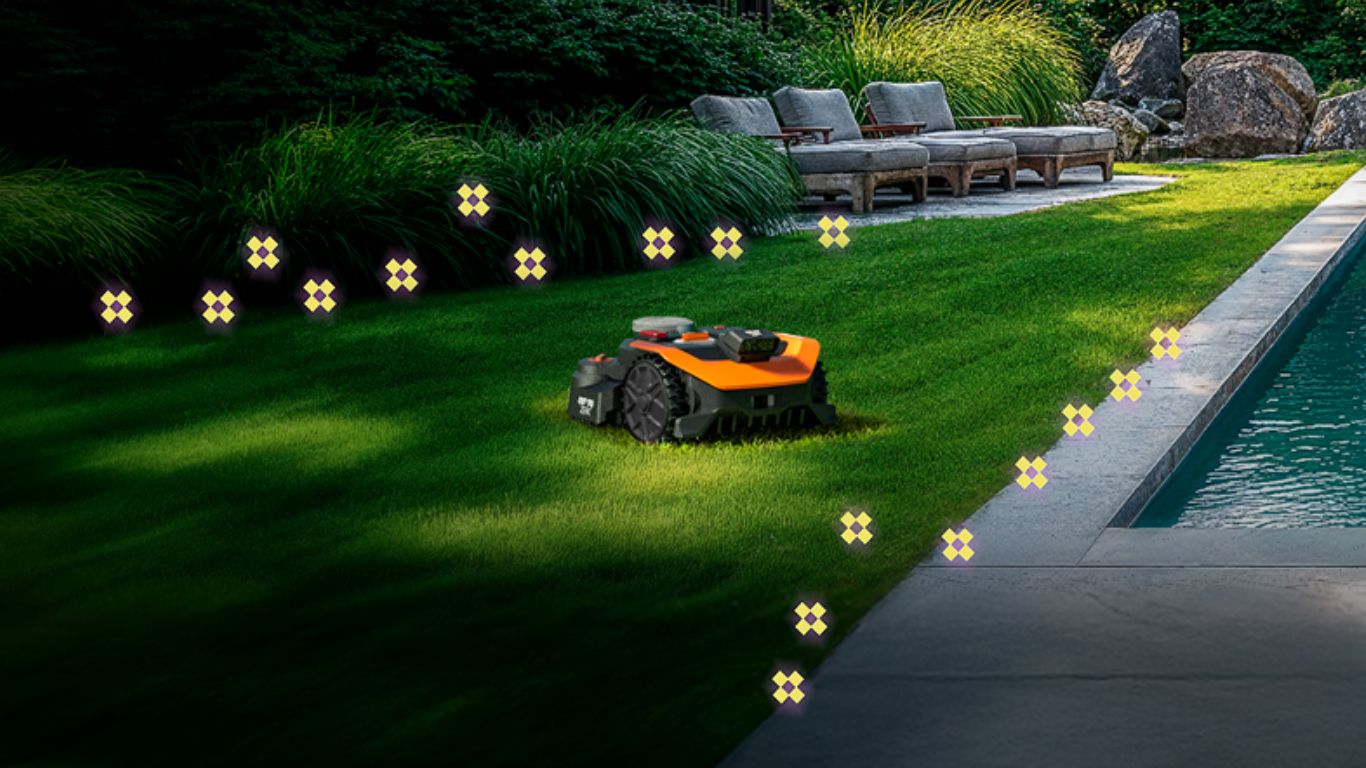
The core purpose of any robotic mower is to navigate your lawn precisely without human intervention. To achieve this without relying on old-fashioned physical boundaries, modern machines utilise a sophisticated mix of vision, satellite, and computing technologies.
V-SLAM (Visual Simultaneous Localisation and Mapping)
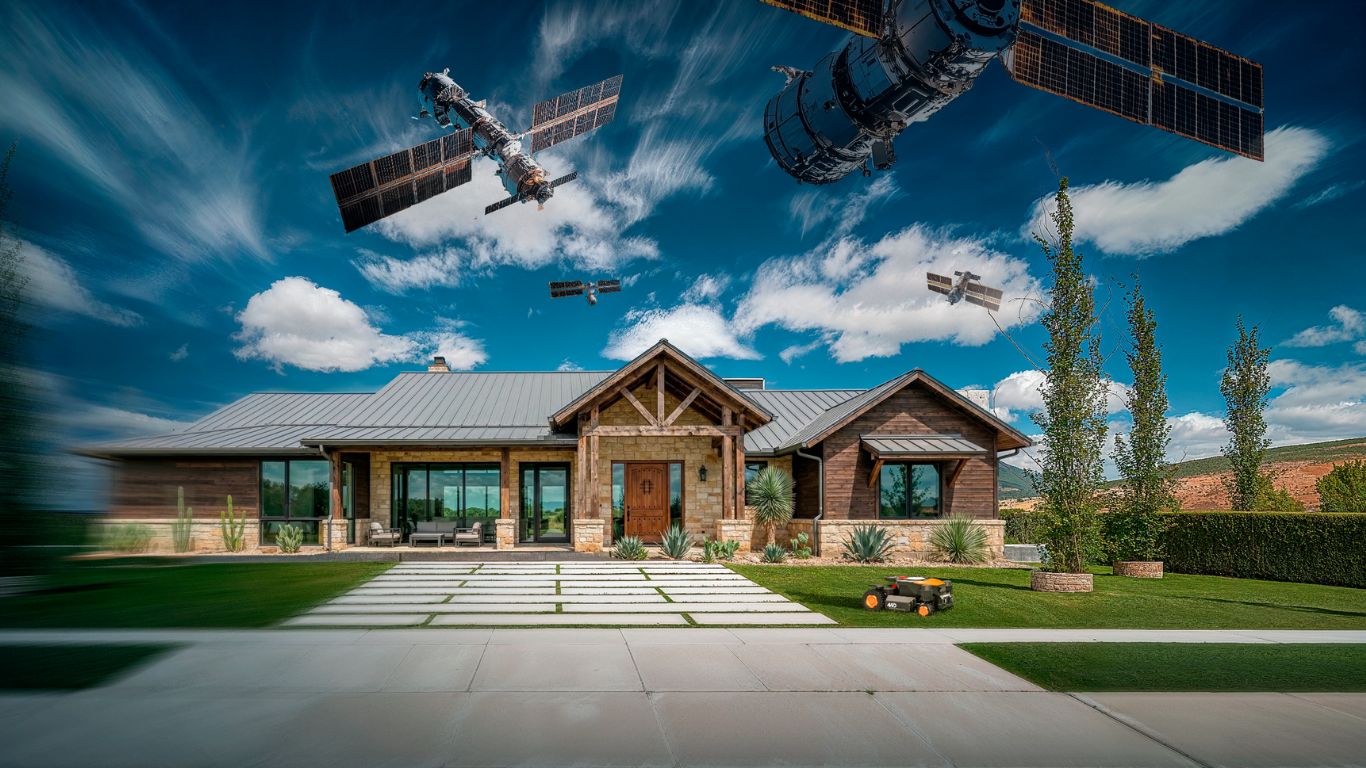
Think of V-SLAM as the mower’s internal compass and memory. While standard navigation systems rely solely on clear skies to track where they are, a mower equipped with V-SLAM uses an on-board camera to constantly identify static landmarks in your garden—such as a specific tree trunk, a garden shed, or the edge of a patio.
• The Practical Benefit: If the machine loses its connection to satellites—which frequently happens under thick tree canopies, next to tall perimeter fences, or alongside the shadow of a two-storey house—V-SLAM seamlessly takes over. The mower recognises its surroundings visually, ensuring it stays on track and completes the cut rather than stalling and waiting for assistance.
RTK Cloud (Real-Time Kinematic Positioning)
Standard GPS can pinpoint a location to within a few metres, which is fine for car navigation but potentially disastrous near your prized flowerbeds. RTK technology refines this by using correction data to achieve centimetre-level accuracy, ensuring the mower knows exactly where the grass ends and the soil begins.
• The Practical Benefit: Historically, installing an RTK system meant mounting a permanent, bulky receiver antenna high up on your roof or fence line and running cables down to a base station. Cloud-based RTK delivers that exact same millimetric precision entirely over cellular networks and Wi-Fi. You get incredibly neat edges and accurate positioning with zero extra hardware cluttering your home’s exterior.
Neural Networks
A neural network is the computing brain that processes the live feed coming from the mower’s cameras. Instead of mindlessly bumping into obstacles to realise they are there, the system is trained on millions of hours of real-world imagery to actively identify what it is looking at in real time.
• The Practical Benefit: It allows the machine to instantly differentiate between actual grass and temporary obstacles. If a garden chair is left out, a pet wanders onto the lawn, or a hedgehog appears, the mower doesn’t collide with them; it recognises the object, slows down, and smoothly moves around it, keeping your household and local wildlife entirely safe.
OTA (Over-The-Air) Updates
Just like a modern smartphone, a mower with OTA capabilities connects directly to your home Wi-Fi to download software updates automatically.
• The Practical Benefit: Garden technology evolves rapidly. Instead of your machine becoming outdated the moment you buy it, seamless background updates continuously refine its obstacle recognition, improve battery efficiency, and introduce new software features over time, keeping your investment future-proof.
Practical Innovations for Every Day
Beyond the advanced internal computing, a successful automated mower needs to handle the practical, physical realities of the unpredictable British climate and a busy garden shed.
Weather-Adaptive Scheduling
Mowing in a heavy downpour is highly damaging to your turf; wet grass tears rather than cuts, and heavy wheels can easily rut soft, saturated soil.
• The Landroid Solution: Rather than rigidly sticking to a mechanical timer regardless of the weather, Landroid continuously monitors local forecasts. If a rain front moves in, it automatically delays its cycle and stays safely parked in its garage until the ground dries, preserving the health and appearance of your lawn.
The PowerShare™ Ecosystem
Many robotic mowers utilise proprietary, permanently sealed internal battery packs that serve only one purpose and must be replaced by a specialist if they degrade.
• The Worx Advantage: The Landroid range is powered by a standard, removable Worx 20V PowerShare™ battery. When grass growth naturally slows down during the autumn and winter months, you can simply unclip the battery from your mower and slide it straight into any of our 200+ other garden and DIY tools. One single battery platform can power your grass trimmer, hedge cutter, or leaf blower—maximising your value and reducing clutter in the garden shed.
By stripping away the confusing terminology, it becomes clear that features like V-SLAM and neural networks aren’t just high-tech gimmicks. They are the essential building blocks that allows Landroid to understand your garden as thoroughly as you do, giving you back your weekends without compromising on the health of your lawn.
View the complete Landroid collection, including the Vision Cloud range, here.